
From Prototype to Production for Custom Metal Parts
A controlled path from first prototype to repeat production helps custom metal parts retain their function, quality, and delivery predictability as volumes grow.
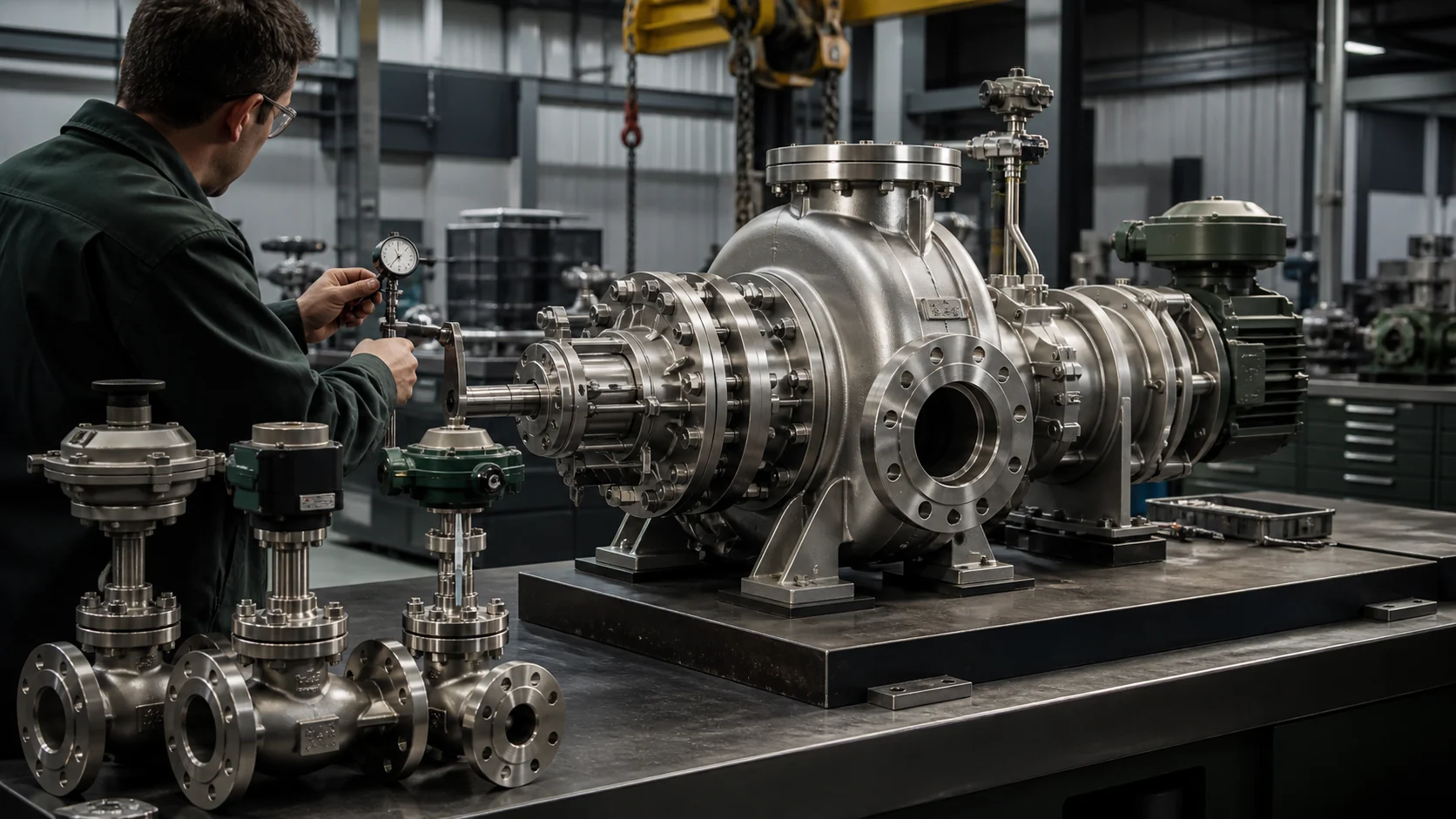
A successful prototype proves that a part can be made. Production asks a harder question: can the same functional result be delivered repeatedly, inspected efficiently, and changed without losing control of the design? The transition is where many custom metal projects encounter avoidable delays.
The solution is not to freeze every early decision. It is to use each build stage for a clear purpose, capture what was learned, and update the manufacturing information before the next stage begins.
Define what the prototype needs to prove
Some prototypes are intended to confirm envelope size and assembly access. Others must withstand representative load, demonstrate a sealing interface, or validate motion. These goals lead to different choices in material, process, and inspection.
If a prototype is made from a temporary material or with a simplified feature, that deviation should be recorded. Otherwise, a successful fit check can be mistaken for complete validation. Functional requirements such as load direction, mating components, temperature, and finish should remain visible even when the first build uses an accelerated route.
Review the design for repeatable manufacturing
Before increasing quantity, engineering and manufacturing teams should review the design together. Deep pockets, thin walls, inaccessible internal corners, unnecessary undercuts, and tightly toleranced nonfunctional dimensions can add setup time and variation. Small design adjustments may improve tool access, workholding, and measurement without changing how the part performs.
Datum selection deserves particular attention. A clear datum structure tells production how the part is located and tells inspection how features relate to one another. When the drawing and fixture use conflicting references, additional setups can introduce error and make inspection results difficult to compare.
Material form also matters. Bar, plate, casting, forging, and near-net-shape blanks create different grain flow, stock allowance, lead time, and minimum-order considerations. The best prototype route may not be the best production route, so any proposed change should be evaluated against the validated requirements.
Build an inspection baseline before volume grows
A first-article inspection creates a documented link between the drawing and the physical part. Critical dimensions, material certification, heat treatment, coating, and cosmetic requirements can be reviewed before the production batch is completed.
Not every feature requires the same inspection frequency. Characteristics that affect safety, fit, or function may need tighter control, while stable noncritical dimensions can be sampled according to an agreed plan. The measurement method, equipment, and acceptance rule should be practical for the expected volume.
Inspection feedback can also improve the design. A requirement that cannot be measured without destructive sectioning or specialized equipment may need a different definition. Resolving this during a pilot run is far less disruptive than discovering it after a full batch has been made.
Control revisions and supplier communication
Prototype projects often generate quick changes through email, marked-up screenshots, or conversations. That speed is useful early on but risky in production. Each approved change should appear in a revision-controlled drawing or model, with obsolete files removed from the active package.
A complete release package typically includes the current drawing and model, material and treatment specifications, finish requirements, inspection expectations, packaging needs, and any approved deviations. Ambiguous notes should be resolved before material is ordered.
Use a pilot run as the bridge
A modest pilot quantity lets the team verify cycle time, workholding, tool life, inspection flow, finishing, and packaging under production-like conditions. It can reveal issues that a one-off prototype does not show, such as distortion across a batch or damage during transport.
The goal is a stable process, not merely an accepted set of parts. Once the pilot results are reviewed, the drawing, control plan, and process instructions can be updated together. That creates a reliable baseline for repeat orders.
Moving from prototype to production is ultimately a process of reducing uncertainty. Clear functional intent, manufacturable geometry, practical inspection, and disciplined revision control allow custom metal components to scale without losing the qualities that made the prototype work.
